
Clinical system for G-CAM and G-BLOCK restorations
G-TOOLS Clinic: G-CAM adjustment, polishing and gloss in four steps
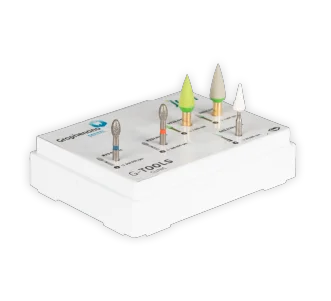
A professional kit designed for pre-cementation preparation, occlusal adjustment and restoring the polish and gloss of restorations directly in the clinic.
The clinical context
An occlusal adjustment doesn't end when the contact is removed
01
Cemented restoration
02
Contact detection
03
Adjustment
04
Altered surface
05
Polishing
06
Gloss recovery
What is G-TOOLS Clinic
A protocol every clinic needs
Precision
Enables localised adjustments while preserving the anatomy of the restoration.
Sequence
Each instrument serves a specific stage of the procedure.
Finish
The protocol continues after the adjustment until the surface is smooth and glossy again.
Clinical protocol
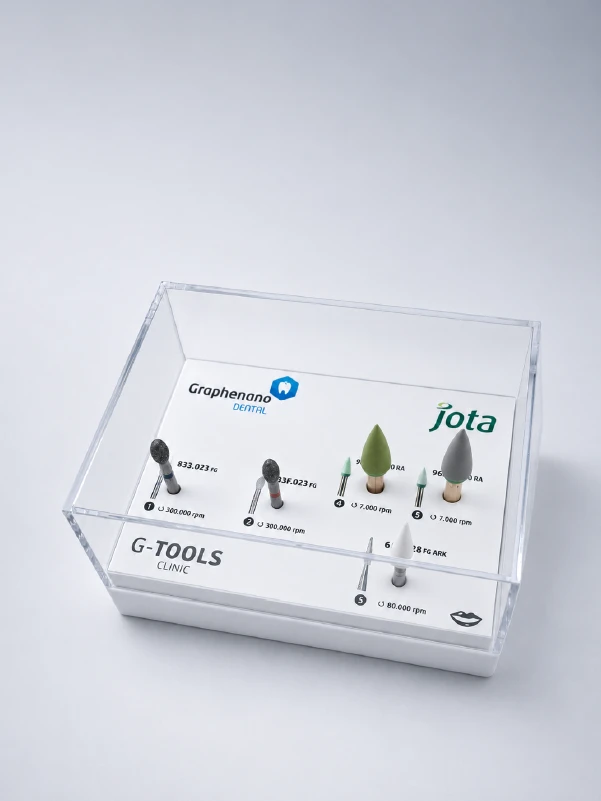
The complete protocol in four steps
Surface preparation before cementing the prosthesis. Leaves the surface slightly porous to promote adhesion.
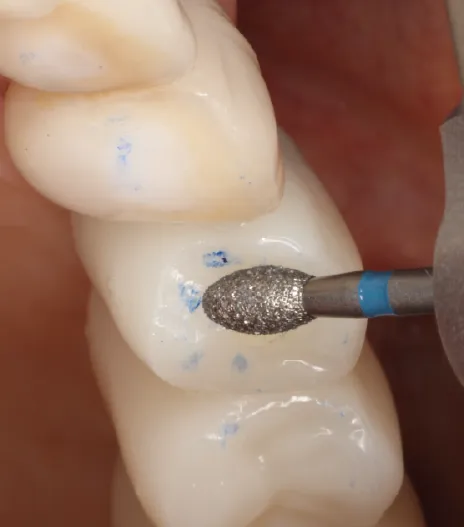
Step 1 · Anatomical adjustment. Reduces occlusal contacts while maintaining the anatomical shape of the restoration during adjustment.
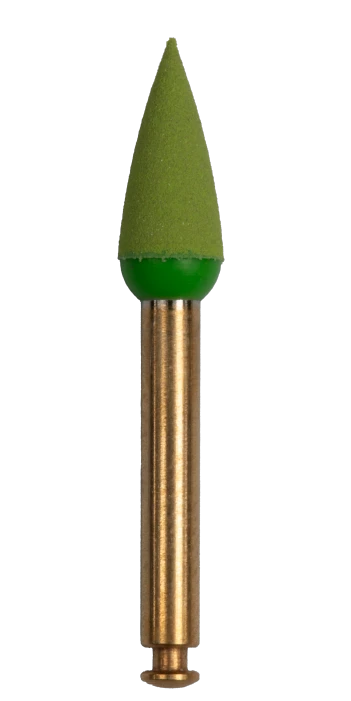
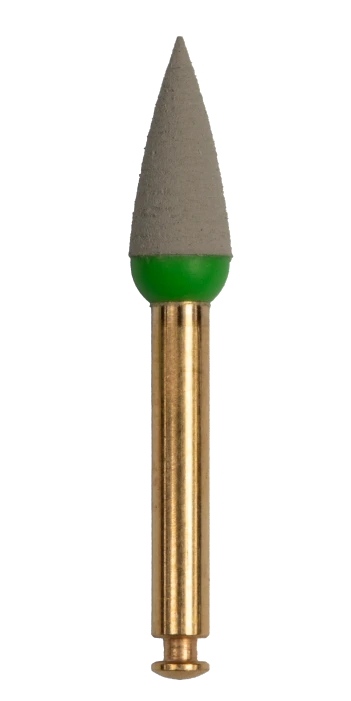
Step 2 · Smoothing. Used after the medium-grit adjustment. Smooths the treated surface and helps preserve the morphology of the restoration.
 Medium and fine grit are not alternatives: they are consecutive stages. Adjust first, then smooth.
Used after adjustment and smoothing. Smooths the prosthesis and seals its surface.
Designed for the final finish. Restores a smooth, glossy surface in the mouth.
What's in the kit
System inventory
Five instruments organised by stage, plus the case that keeps them in protocol order.
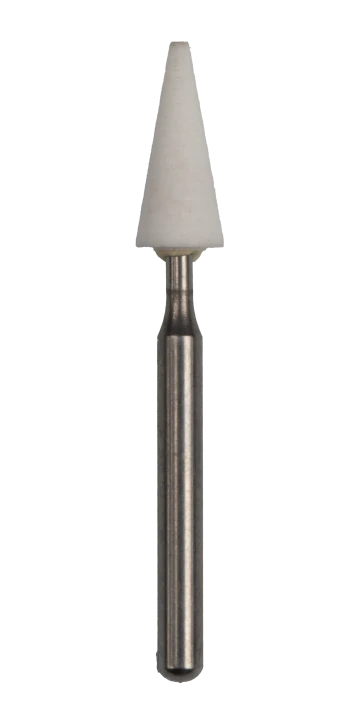
Arkansas bur
645.FG.028.ARK
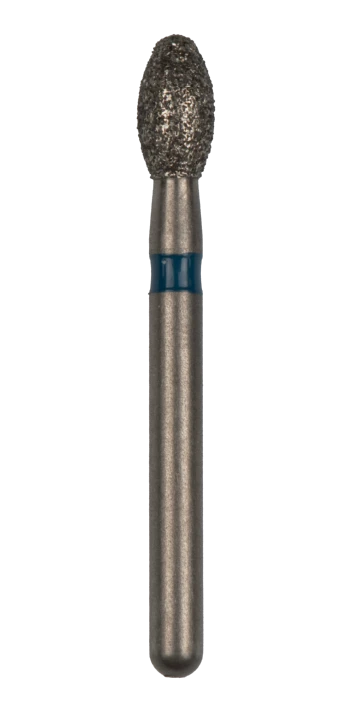
Medium-grit polisher
833.FG.023
Fine-grit polisher
833F.FG.023
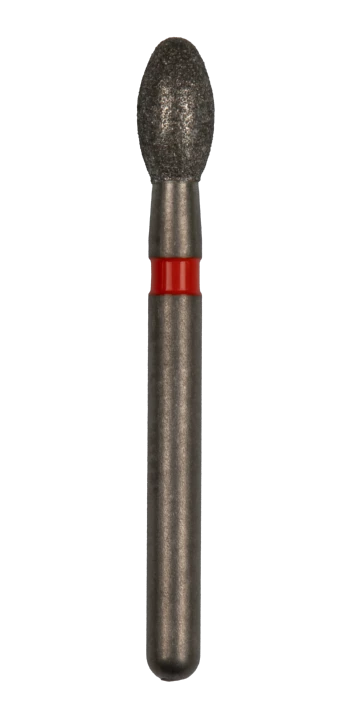
Medium-grit diamond
9828.RA.040
Fine-grit diamond
9834.RA.040
Packaging and purchase
G-TOOLS Clinic
€70 Available now
Complete clinical finishing kit: 5 instruments organised in four steps, with a holder screen-printed with the work sequence.
- For use in the dental clinic
- Intraoral or chairside adjustments
- Pre-cementation preparation
- Occlusal adjustment after cementation
- Intraoral polishing and final gloss
- Instruments suited to clinical handpieces
Shipping and availability vary by market. Check terms with your distributor.
Clinical benefits
Why work with a protocol
Organised workflow
The sequence reduces guesswork and makes it clear which instrument belongs to each stage.
Controlled adjustment
Shapes and grit sizes are organised so the adjustment can be done progressively.
Chairside finishing
Lets you complete polishing and gloss after the occlusal adjustment, right in the clinic.
Specific to G-CAM and G-BLOCK
The kit has been selected to work with restorations made from these materials.
Easy identification
Clinicians can follow a numbered, reproducible protocol.
Professional support
Access to training, documentation and technical assistance from Graphenano Dental.
Full integration
The clinical protocol that completes the system
01
Restoration design
02
Milling
03
Laboratory finishing with G-TOOLS
04
Clinical placement
05
Adjustment and polishing with G-TOOLS Clinic
How to use it in the clinic
General usage recommendations
- Identify and mark the occlusal contact.
- Adjust progressively.
- Preserve the anatomy of the restoration.
- Follow the grit sequence.
- Use the indicated speeds.
- Don't skip the polishing and gloss stages.
- Check the final result.
⚠️ Professional notice
Speeds, pressures, cooling, contact times and conditions of use must follow the manufacturer's current official instructions.
Graphenano Dental ecosystem
Related products
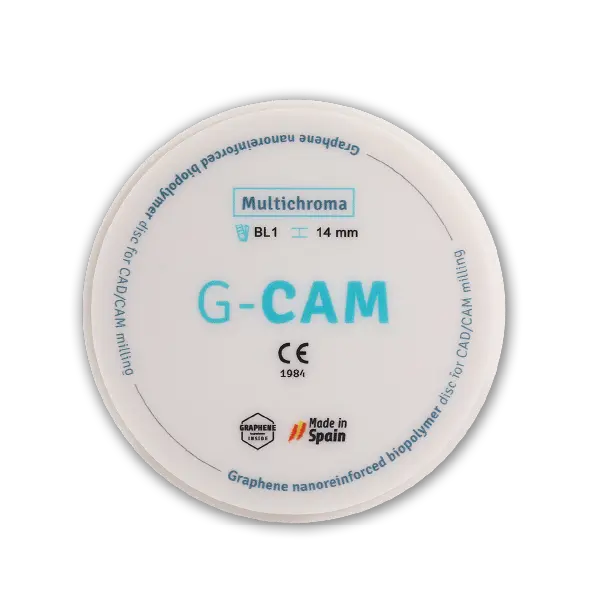
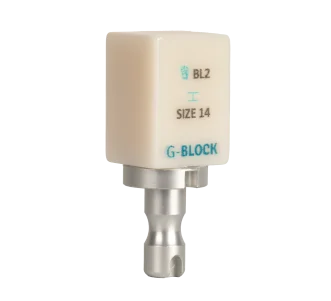
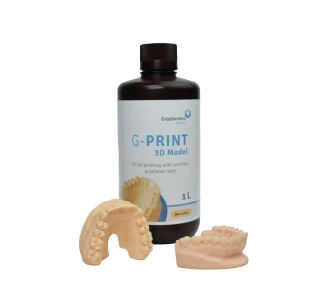
Each product has a specific place in the G-CAM restoration workflow.
Polishing kit · Laboratory
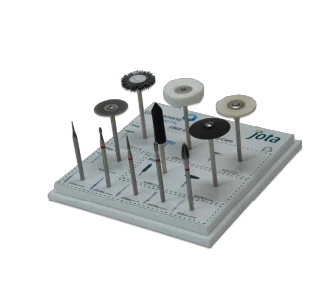
G-TOOLS
G-CAM polishing kit for an optimal finish in the laboratory.
Frequently asked questions
Answers to your questions
It lets you prepare, adjust, polish and restore the gloss of G-CAM and G-BLOCK restorations directly in the clinic, following a four-step protocol.
The kit has been selected to work with restorations made from both G-CAM and G-BLOCK. Compatibility with other materials is pending technical validation.
They are not alternatives but consecutive stages: the medium grit (833.FG.023) performs the anatomical adjustment and the fine grit (833F.FG.023) then smooths the treated surface.
Occlusal adjustment alters the original surface finish. Polishing and restoring the gloss brings back a proper clinical finish after the adjustment.
Arkansas and diamonds: 300,000 rpm. Medium-grit polisher: 7,000–10,000 rpm. Fine-grit polisher: 3,000–8,000 rpm. Always refer to the quick guide and the official protocol.
Not necessarily, but cooling can be applied; it does not affect the work protocol.
Yes, the instruments are reusable until they show signs of wear that require replacement. They must be autoclaved after each use, following the manufacturer’s cleaning and sterilisation instructions.
G-TOOLS Clinic is used in the clinic for adjustment and finishing after cementation; the laboratory G-TOOLS is used for extraoral processing and polishing before the restoration is sent to the clinic.
Yes, spare parts are sold separately, subject to availability and minimum order conditions. They can also be purchased together with your G-CAM or G-TOOLS products.